Strong motivation doesn’t just shape your characters—it drives your entire story forward. Here’s how to use it to your advantage.
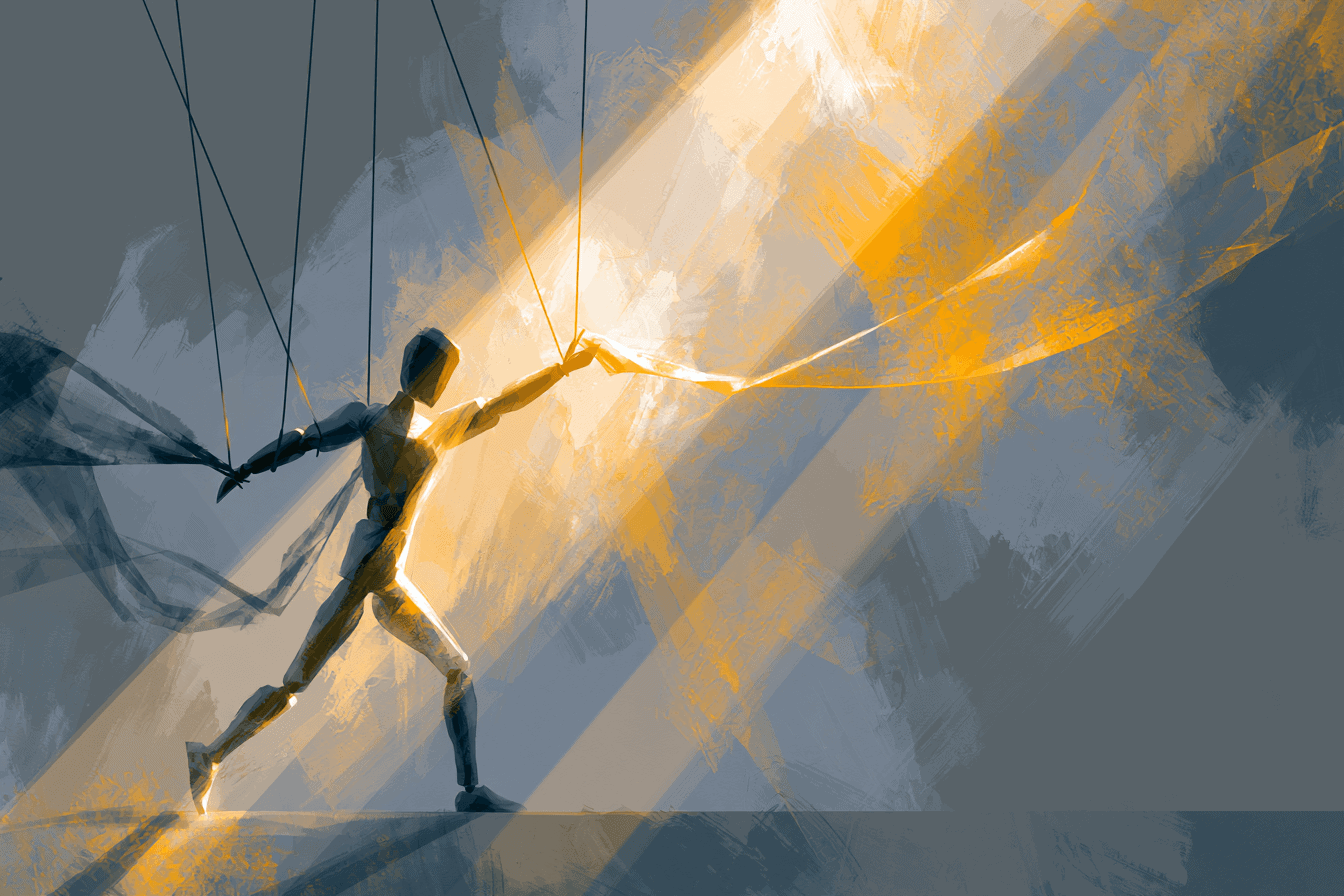
Does your protagonist feel more like a passenger than a driver of your story?
Many writers hit a point where their character seems to be reacting to events instead of actively pushing the story forward. If that’s happening, it’s a sign their motivation needs a closer look.
A compelling protagonist isn’t just someone with depth or backstory. What truly makes them feel alive—and propels the plot—is their inner drive.
Many writers focus on what happens next—but the real key is why your character makes it happen. Their motivation should be the force pushing the story forward, not just responding to circumstances.
Let’s break down the three driving forces behind your protagonist so they don’t just react—but take charge.
1. Immediate Goal – The External, Plot-Driven Motivation
This is the clear, tangible goal that drives your protagonist’s actions early in the story. They believe achieving this will solve their biggest problem.
Examples:
- Katniss Everdeen (The Hunger Games) wants to survive the Games and protect her family. Every decision she makes—forming alliances, setting traps, choosing when to fight and when to hide—is in service of this immediate objective.
- Harry Potter (The Sorcerer’s Stone) wants to stop Voldemort from stealing the Sorcerer’s Stone and threatening the wizarding world. The plot revolves around his pursuit of this goal, but it’s just the first layer of what truly drives him.
This immediate goal creates external movement in your story, as your protagonist actively works toward something. But if your character only has this layer, they risk becoming reactive rather than truly driving the story.
2. Deeper Need – The Internal, Transformational Motivation
This is the emotional transformation they must undergo to truly succeed. It’s often a lesson or realization they don’t recognize at first but becomes essential to their arc.
Examples:
- Katniss Everdeen – Katniss needs to understand that survival is not enough—she must become a symbol of resistance. While she enters the Games just trying to make it out alive, her true journey is realizing she can’t simply exist under the Capitol’s rule anymore.
- Harry Potter – Harry’s core need is to trust and rely on others rather than trying to face every challenge alone. His refusal to lean on those who care about him leads to painful consequences, forcing him to grow into a true leader.
If your protagonist never confronts this core need, their growth will stall—and your story’s emotional weight will suffer.
3. Evolving Purpose – The Larger, Emerging Motivation
This is the ultimate shift in motivation—the deeper realization that changes how your protagonist sees the world and what they fight for beyond just their immediate goals. It often emerges later in the story as their arc reaches its peak.
Examples:
- Katniss Everdeen – Katniss’s evolving purpose shifts from just protecting her loved ones to dismantling the oppressive system itself. By the end of her journey, she’s no longer just a survivor—she’s an agent of change, using her power to break the cycle of tyranny.
- Harry Potter – His evolving purpose becomes not just fighting for himself, but leading and empowering others to stand against darkness. He moves beyond personal vengeance and embraces his role as a leader in the resistance.
If your protagonist doesn’t reach this deeper realization, their story risks feeling incomplete—like it never truly evolved beyond the surface.
Strong character motivation is what separates forgettable protagonists from truly compelling ones. When a character’s immediate goal, core need, and evolving purpose all work together, they don’t just move through the plot—they shape it. By ensuring your protagonist is the driving force of your story, you create a narrative that feels organic, dynamic, and deeply engaging.
So take a step back and ask yourself: Is my character just reacting, or are they actively forging their own path? The more intentional their journey, the more powerful your story will be.
Join the Author’s Atlas for More Insights
Subscribe here and get your free copy of our writing workbook Penning Your Novel: The Essential Pillars of Storytelling.
.