
Let’s debunk the idea that daily writing is the only path to success—and talk about what actually works.
Have you ever skipped a writing day (or a few) and felt guilty about it?
You’re not alone. Many writers believe that if they don’t write every single day, they’re not “real” writers. It’s a belief that’s been passed down through advice columns, writing workshops, and countless author interviews: write every day, or you’ll never finish anything.
But here’s the truth: many successful authors don’t write every day—and yet, they still finish books, improve their craft, and grow their careers.
I do believe the “write every day” advice originally came from a good place—it was meant to encourage consistency. But over time, it’s been taken too literally.
Writing daily can be helpful, but it doesn’t fit every lifestyle, creative process, or schedule. The truth is:
What matters more than frequency is commitment and consistency—whatever that looks like for you.
A sustainable writing practice will always be more effective than forcing yourself to write every single day.
The Problem with the “Write Every Day” Mindset
For many writers, forcing daily writing leads to burnout, guilt, and frustration rather than progress.
Burnout: Writing every day isn’t sustainable for everyone. Pushing yourself too hard can make writing feel like a chore instead of a creative passion.
Guilt & Shame: If you miss a day, you might feel like you’ve failed—which can lead to avoiding writing altogether.
Unrealistic Expectations: Not every writer has the same lifestyle. Many people have full-time jobs, family responsibilities, or creative rhythms that work differently.
What Actually Matters: Sustainable Consistency
Instead of obsessing over daily writing, focus on what works for you. Here are some ideas to try:
- Writing in Focused Sessions – Deep, focused writing a few times a week can be more effective than forced daily sessions.
- Setting Weekly Goals – Instead of aiming for daily word counts, try weekly or monthly targets.
- Prioritizing Progress Over Perfection – Some days, thinking about your story, outlining, or even taking a creative break is part of the process.
- Tracking What Works for You – Pay attention to when and how you write best. Not every writer thrives on the same schedule.
What Real Writers Actually Do
Real writers engage with their creativity in meaningful ways.
- Real writers are present. They engage with the world around them, staying open to inspiration in unexpected places. (That’s what I’ve been doing here at the Women’s Spring Coliving Camp at the Chateau—absorbing the energy, the conversations, the creativity.) Writing isn’t just about putting words on the page; it’s also about experiencing life in a way that fuels your stories.
- Real writers reflect. Writing is more than output—it’s about thinking deeply, making connections, and letting ideas evolve. Some of the best creative breakthroughs happen away from the keyboard.
- Real writers grow. They don’t measure success only by how many words they write in a day. They measure it by how they stretch their skills, refine their voice, and deepen their storytelling.
- Real writers adapt. Life isn’t predictable, and neither is the creative process. Some seasons call for intense focus, while others require rest. What matters is that you find a rhythm that works for you.
- Real writers create on their own terms. There’s no single formula for success. The only real rule? Keep going in a way that supports both your creativity and well-being.
Final Takeaway: Find Your Own Writing Routine
❌ Writing every day isn’t what makes you a “real writer.”
✅ What matters is building a writing habit that is consistent, sustainable, and fits your life.
✅ There’s no single right way to write—only the way that helps you create your best work.
Want Help Building a Writing Practice That Works for You?
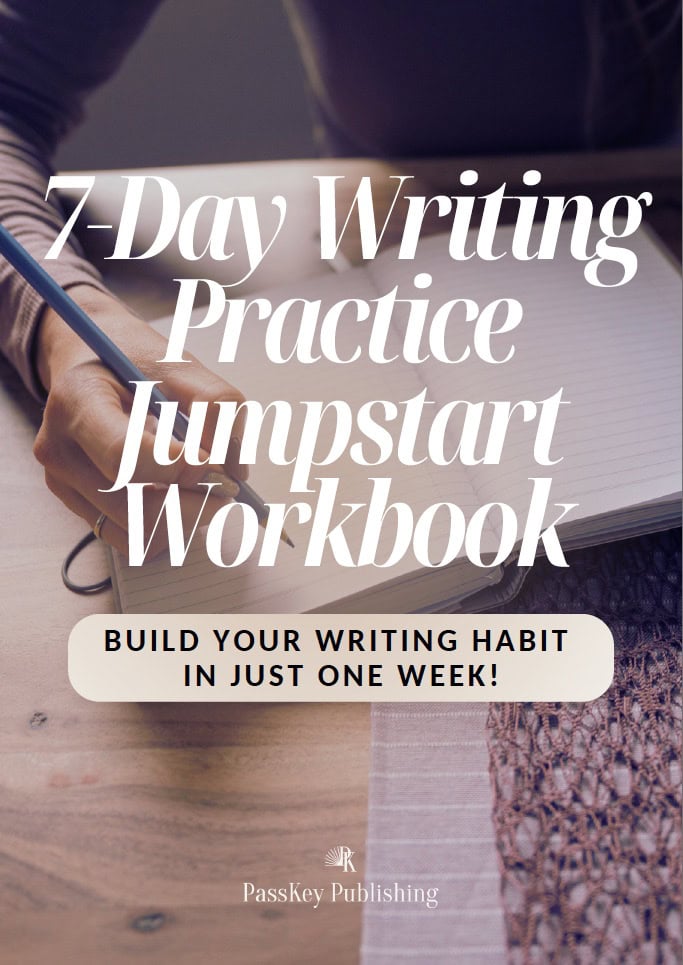
If you’ve been struggling to build a consistent, sustainable writing practice, my 7-Day Writing Practice Jumpstart Workbook can help. It’s designed to help you develop a writing practice—without the pressure to write every single day. Check it out here!
Join the Author’s Atlas for More Insights
Subscribe here and get your free copy of our writing workbook Penning Your Novel: The Essential Pillars of Storytelling.